

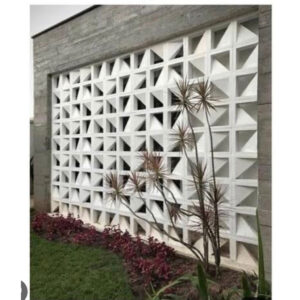
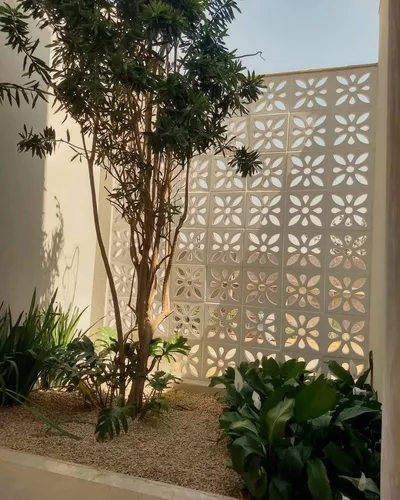

O cobogó foi criado em 1929 por dois comerciantes e um engenheiro pernambucanos que usaram as iniciais dos seus sobrenomes para compor o nome “co-bo-gó”: Coimbra, Boeckmann e Góes. O desenho foi inspirado nos muxarabis, elementos vazados de origem árabe com tramas pequenas e feitos de madeiras.
Além de conferir beleza aos ambientes, esses elementos permitem a passagem de luz natural e ventilação, sendo uma ótima opção para dividir espaços e deixá-os mais iluminados e arejados .
| Cookie | Duração | Descrição |
|---|---|---|
| cookielawinfo-checkbox-analytics | 11 months | This cookie is set by GDPR Cookie Consent plugin. The cookie is used to store the user consent for the cookies in the category "Analytics". |
| cookielawinfo-checkbox-functional | 11 months | The cookie is set by GDPR cookie consent to record the user consent for the cookies in the category "Functional". |
| cookielawinfo-checkbox-necessary | 11 months | This cookie is set by GDPR Cookie Consent plugin. The cookies is used to store the user consent for the cookies in the category "Necessary". |
| cookielawinfo-checkbox-others | 11 months | This cookie is set by GDPR Cookie Consent plugin. The cookie is used to store the user consent for the cookies in the category "Other. |
| cookielawinfo-checkbox-performance | 11 months | This cookie is set by GDPR Cookie Consent plugin. The cookie is used to store the user consent for the cookies in the category "Performance". |
| viewed_cookie_policy | 11 months | The cookie is set by the GDPR Cookie Consent plugin and is used to store whether or not user has consented to the use of cookies. It does not store any personal data. |
Olá! Precisa de mais informações?